


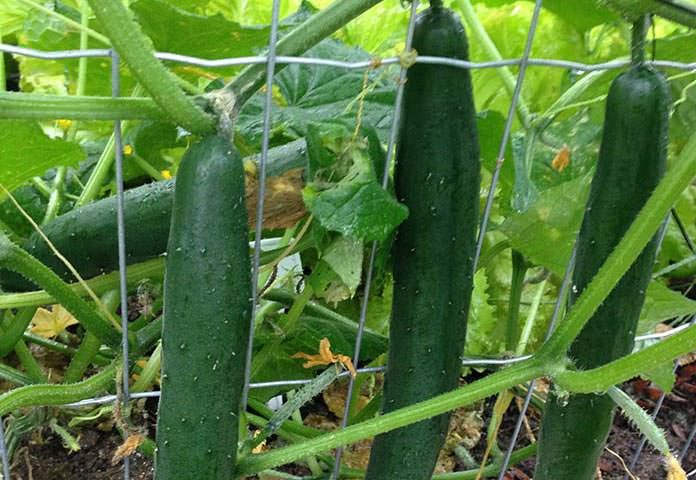

This is September’s product of the month.
Here are some key points:
- Origin and Distribution:
The cucumber is native to Asia and is generally associated with regions of South Asia, especially India. Its use as food dates back many centuries, and over the centuries, its cultivation has spread to Europe, Africa, and other regions of the world. - Nutritional Value:
Cucumbers consist mainly of water, which makes them a light and refreshing food. They also provide fiber and small amounts of vitamins and minerals. Among their components are:
Water; Dietary fiber; Vitamin K; Vitamin C; Potassium; Magnesium; Folate; and small amounts of B vitamins.
The exact amount of nutrients varies depending on the variety, the size of the fruit, and how it is consumed. - Health benefits:
Eating cucumbers can be part of a healthy diet for several reasons. They help with hydration, are low in calories, provide fiber and vitamin K, and contain antioxidant compounds. Cucumbers contain various plant compounds that help protect cells against oxidative processes. - Conditions Necessary for Cultivation:
Cucumbers are a crop that prefers warm temperatures. Intense cold can hinder the plant’s growth.
For proper development, they typically require: Good sun exposure; Mild to warm temperatures; Fertile, well-drained soil; Adequate moisture, without excess water; - Watering:
Water is particularly important during growth and fruit development.
Watering should be regular, aiming to maintain relatively constant soil moisture. Both a lack of water and excess water can harm the crop.
A lack of water can lead to stunted growth and lower-quality fruit, while excess water can promote diseases and root problems. - Pests and Diseases:
Like other crops in the cucurbit family, cucumbers can be affected by various pests and diseases.
Pests may include: aphids; whiteflies; mites; certain beetles and other insects.
Diseases that may occur include: powdery mildew; downy mildew; anthracnose; bacterial diseases; and root rot.
Prevention is important and may involve crop rotation, good ventilation, the use of high-quality seeds, proper irrigation management, and frequent monitoring of the plants. - Planting and Growth:
Cucumbers can be grown directly in the ground or from seedlings produced in advance.
After germination, the plant rapidly develops leaves and stems. Some varieties grow as vines, while others can be trained to grow vertically with the help of supports.
Using supports can facilitate air circulation, improve the leaves’ exposure to light, and make harvesting easier. - Harvesting:
Cucumbers are usually harvested before they reach full maturity, depending on the variety and intended use
For fresh consumption, look for fruit that is: green; firm; crisp; free of signs of rot; and of a size appropriate for the variety.
Frequent harvesting can encourage the plant to continue producing new fruit. - Ways to enjoy:
Cucumbers are quite versatile. They can be eaten: raw in salads; in sandwiches; in cold soups; in sauces, such as tzatziki; as preserves and pickles; and in some cooked dishes.
The skin is edible and can be left on after a thorough washing, depending on personal preference and the quality of the cucumber.

